May 27, 2026
Water conservation has become an increasingly important topic for homeowners who want to maintain healthy landscapes while also reducing unnecessary waste. A well-maintained yard can improve curb appeal, create a welcoming outdoor environment, and support the overall appearance of a property, but it can also require significant amounts of water when irrigation methods are outdated or inefficient. Modern lawn irrigation technology offers a practical solution by helping property owners deliver water more effectively while minimizing excess runoff and overwatering.
Today’s systems are designed with efficiency in mind, allowing homeowners to maintain vibrant lawns without placing unnecessary strain on local water supplies. Features such as automated scheduling, weather monitoring, and precision watering can help ensure landscapes receive the right amount of moisture at the appropriate times. These advancements allow homeowners to support both environmental responsibility and long-term landscape health.
Improve Water Distribution
One of the most important ways modern lawn irrigation systems support water conservation is by improving how water is distributed throughout the landscape. Older irrigation methods often apply water unevenly, leading to dry patches in some areas and oversaturation in others. This imbalance can result in wasted water, unhealthy grass, and increased runoff.
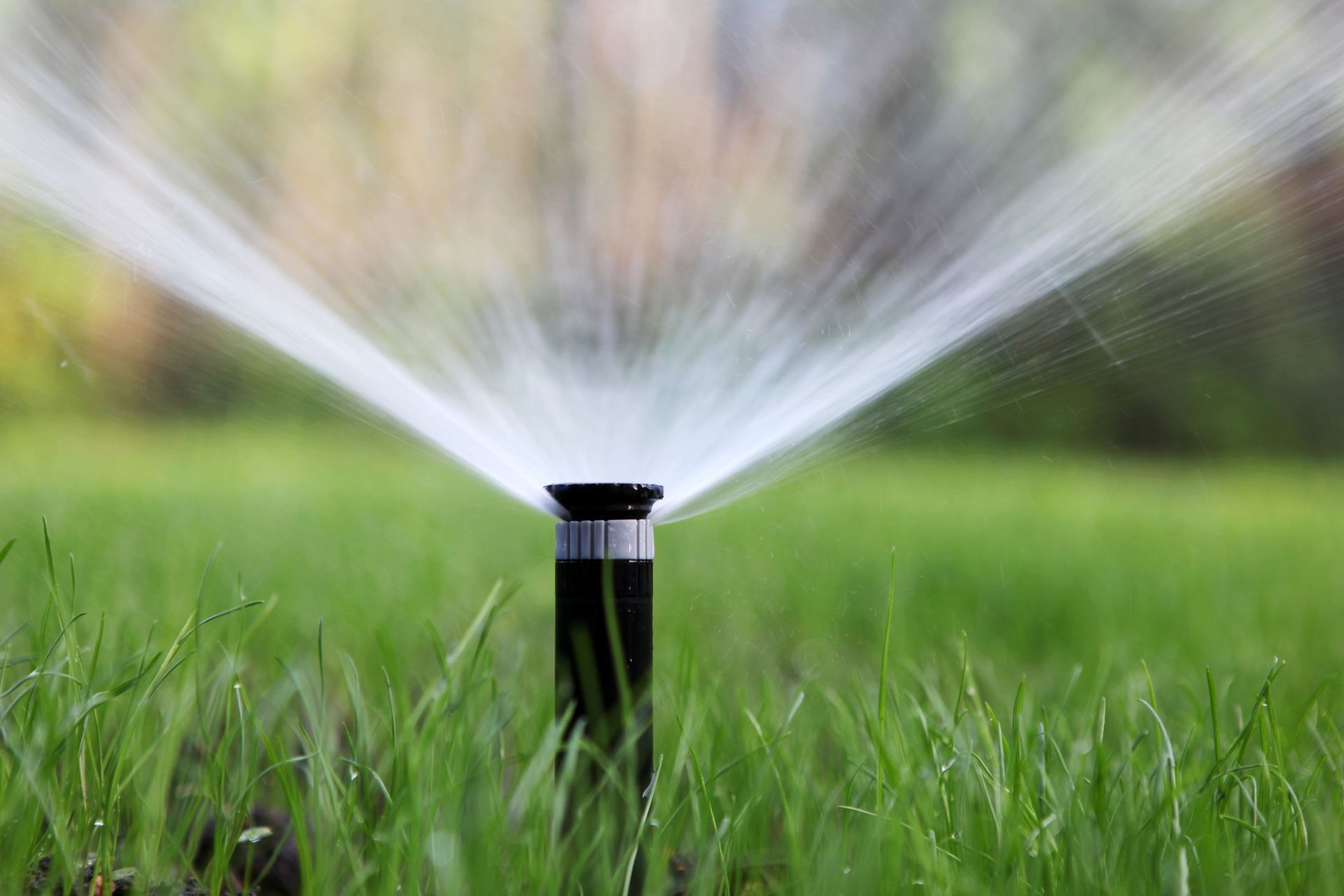
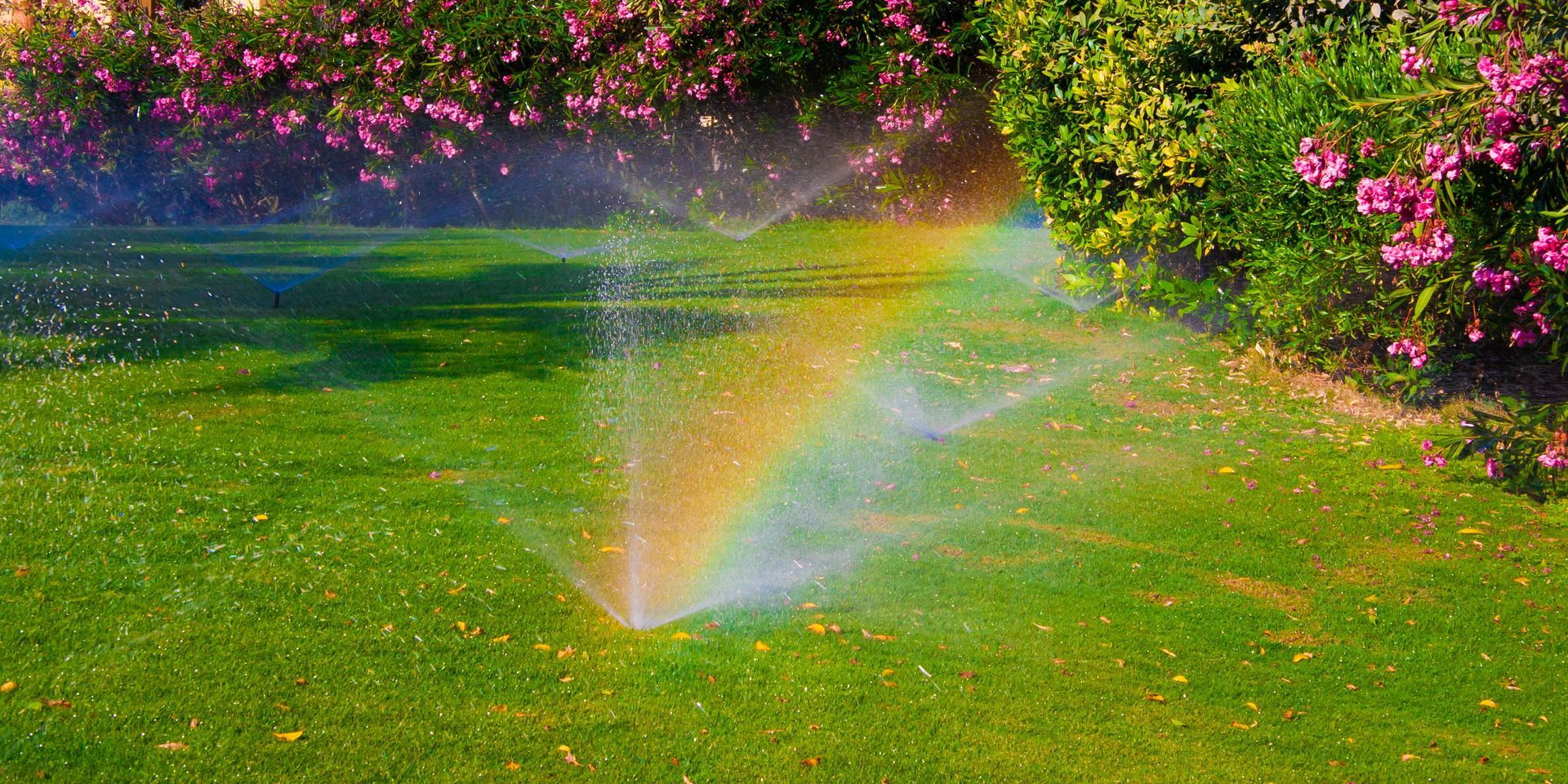
Modern systems are designed to distribute water more consistently across the property. Carefully planned sprinkler placement, advanced nozzle technology, and customized zoning all contribute to better coverage. Instead of flooding certain portions of the yard, these systems deliver water more precisely to areas that need it most.
More efficient distribution also reduces pooling and erosion. Excess water that accumulates on sidewalks, driveways, or compacted soil often goes unused and can damage surrounding surfaces. By directing water where it belongs, modern systems support healthier lawns while conserving valuable resources.
Reduce Overwatering
Overwatering is one of the most common causes of water waste in residential landscapes. Many homeowners assume that applying more water will automatically lead to greener grass, but excessive moisture can actually damage turf health, encourage disease growth, and weaken root systems. Modern lawn irrigation systems help address this problem by delivering controlled amounts of water more accurately.
Automated scheduling features allow irrigation systems to operate according to carefully planned watering cycles rather than relying on guesswork. Instead of manually turning sprinklers on and off, homeowners can work with irrigation professionals to establish schedules that reflect the needs of the landscape. This consistency helps prevent unnecessary watering sessions that often occur when systems are managed manually.
According to the Natural Resources Conservation Service, watering the yard accounts for nearly 50% of the water consumed by a typical homeowner. This highlights the importance of efficient irrigation practices and demonstrates how updated systems can make a meaningful difference in overall household water usage.
Reducing overwatering not only conserves water but also benefits the landscape itself. Grass that receives the proper amount of moisture often develops stronger root systems, improved resilience, and healthier overall growth. This balance supports long-term lawn health while minimizing waste.
Adapt to Weather Conditions
Weather conditions can change rapidly, making it difficult for traditional irrigation methods to provide the appropriate amount of water at all times. Modern lawn irrigation systems help address this challenge by incorporating technology that responds to environmental conditions more effectively.
Rain sensors are one example of how irrigation systems can conserve water. These devices can temporarily pause watering cycles during periods of rainfall, preventing unnecessary irrigation when the landscape is already receiving moisture naturally. Without this type of adjustment, sprinklers may continue operating even during heavy rain, leading to substantial water waste.
Some advanced systems also incorporate weather-based controllers that monitor local climate conditions. These controllers can adjust watering schedules based on temperature, humidity, and seasonal trends. By adapting automatically, the system helps ensure the lawn receives sufficient moisture without overcompensating during cooler or wetter periods.
Wind can also affect irrigation efficiency. Strong winds may cause water to drift away from intended areas, reducing absorption and increasing waste. Modern irrigation equipment can minimize these issues by improving spray patterns and pressure management. This allows more water to reach the soil directly instead of evaporating or blowing onto hard surfaces.
Support Healthier Soil Conditions
Efficient lawn irrigation does more than conserve water; it also contributes to healthier soil conditions that support long-term landscape vitality. Proper watering practices help maintain balanced moisture levels within the soil, allowing grass and plants to thrive without becoming stressed or oversaturated.
When irrigation systems apply too much water too quickly, the soil may struggle to absorb it properly. This can lead to runoff, soil compaction, and nutrient loss. Modern irrigation systems help prevent these issues by delivering water at more controlled rates that encourage absorption rather than surface pooling.
Consistent moisture levels also help support stronger root development. Grass roots that receive balanced watering often grow deeper into the soil, improving drought tolerance and overall lawn resilience. Deeper root systems can access moisture more effectively, reducing the need for excessive watering over time.
Healthy soil structure is another important factor in water conservation. Soil that remains properly balanced can retain moisture more efficiently, allowing the landscape to benefit from irrigation for longer periods. This reduces the frequency of watering cycles and supports more sustainable lawn care practices.
Minimize Runoff and Waste
Runoff is a major contributor to unnecessary water waste in residential landscapes. When irrigation systems apply water faster than the soil can absorb it, excess moisture flows into streets, sidewalks, and drainage systems instead of nourishing the lawn. Modern irrigation technology helps reduce this issue through more precise water management.
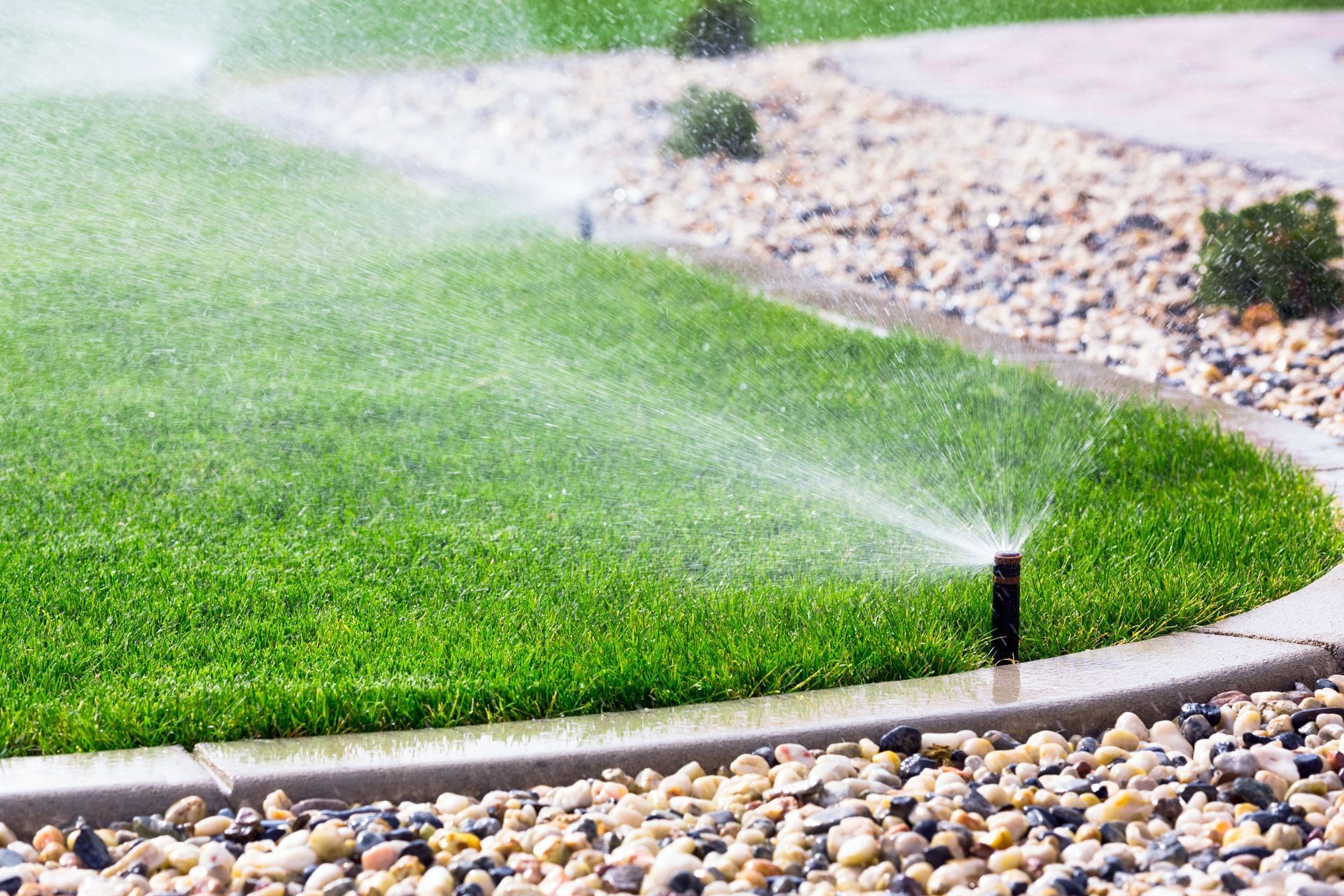
Efficient sprinkler heads and carefully calibrated pressure settings help deliver water evenly across the landscape. This reduces the likelihood of puddling and overspray that commonly occur with outdated systems. Water that remains within planted areas has a greater opportunity to soak into the soil and benefit the landscape directly.
Zoning is another valuable feature of modern lawn irrigation systems. Different portions of a property often require different watering levels based on factors such as sun exposure, plant type, and terrain. Irrigation zones allow professionals to customize watering schedules for each area individually, helping reduce unnecessary water use.
Drip irrigation options can further improve efficiency in landscaped beds and garden areas. Rather than spraying water broadly, drip systems apply moisture slowly and directly to the root zone. This targeted approach helps minimize evaporation and runoff while supporting healthier plant growth.
Reducing runoff also supports environmental protection efforts. Excess irrigation water can carry fertilizers, soil particles, and other pollutants into nearby waterways. By improving irrigation efficiency, homeowners can help reduce environmental impact while maintaining attractive outdoor spaces.
Enhance Long-Term Sustainability
Sustainability has become a growing priority for many homeowners seeking ways to reduce resource consumption without sacrificing comfort or property appearance. Modern lawn irrigation systems play an important role in supporting these goals by encouraging responsible water usage and long-term landscape efficiency.
Efficient irrigation systems help reduce strain on municipal water supplies by minimizing unnecessary consumption. As communities continue facing increasing demands on water infrastructure, conservation-focused landscaping practices can contribute to broader environmental sustainability efforts.
Modern systems are also designed for durability and long-term performance. High-quality components, professional installation, and regular maintenance help ensure irrigation equipment continues operating efficiently over time. Well-maintained systems are less likely to develop leaks, broken sprinkler heads, or pressure issues that contribute to hidden water waste.
Working with experienced irrigation professionals allows homeowners to identify opportunities for further conservation improvements. System evaluations, seasonal inspections, and ongoing maintenance all contribute to better efficiency and more sustainable landscape management practices over time.
Modern irrigation technology has transformed the way homeowners care for their landscapes while supporting responsible water conservation efforts. From reducing overwatering to improving distribution and adapting to changing weather conditions, today’s systems offer practical solutions for maintaining healthy lawns with greater efficiency. Properly designed lawn irrigation systems not only help conserve valuable resources but also support stronger landscapes, healthier soil conditions, and long-term sustainability.
By partnering with experienced professionals, homeowners can ensure their irrigation systems operate effectively and continue supporting efficient water use throughout the year. At Evergreen Contracting & Irrigation, LLC, we work with homeowners to create irrigation solutions that balance landscape beauty with responsible water management, helping us protect valuable resources while maintaining thriving outdoor spaces.